
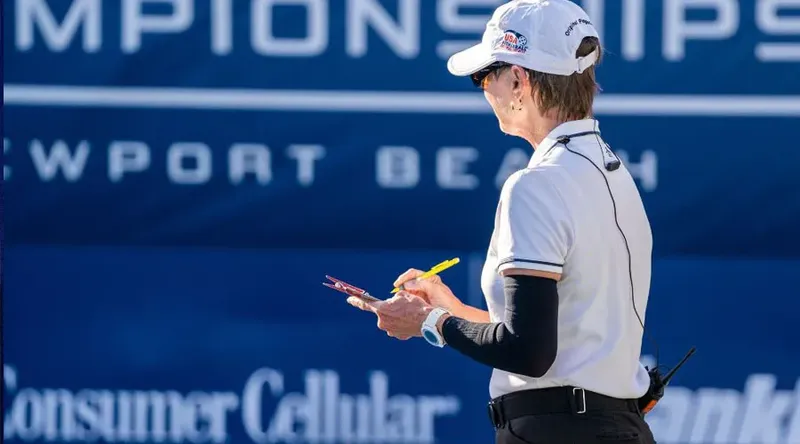
The United Pickleball Association of America (UPA-A) — the governing body overseeing the PPA Tour and Major League Pickleball, has released its first-ever official rulebook. This is significant because for years, professional pickleball operated under the same rules as your local recreational league.
The new standards take effect May 22, 2026, at the opening MLP event in Dallas. And while it may read like a governance document on the surface, the implications for professional pickleball are significant.
The rulebook doesn't really change anything within your local scene but is geared more towards the pros. We can still learn about how pickleball is actually played, officiated, and enforced at the highest level of the sport.
Here are the six biggest takeaways.
1. The Drop Serve Is Dead in Pro Play
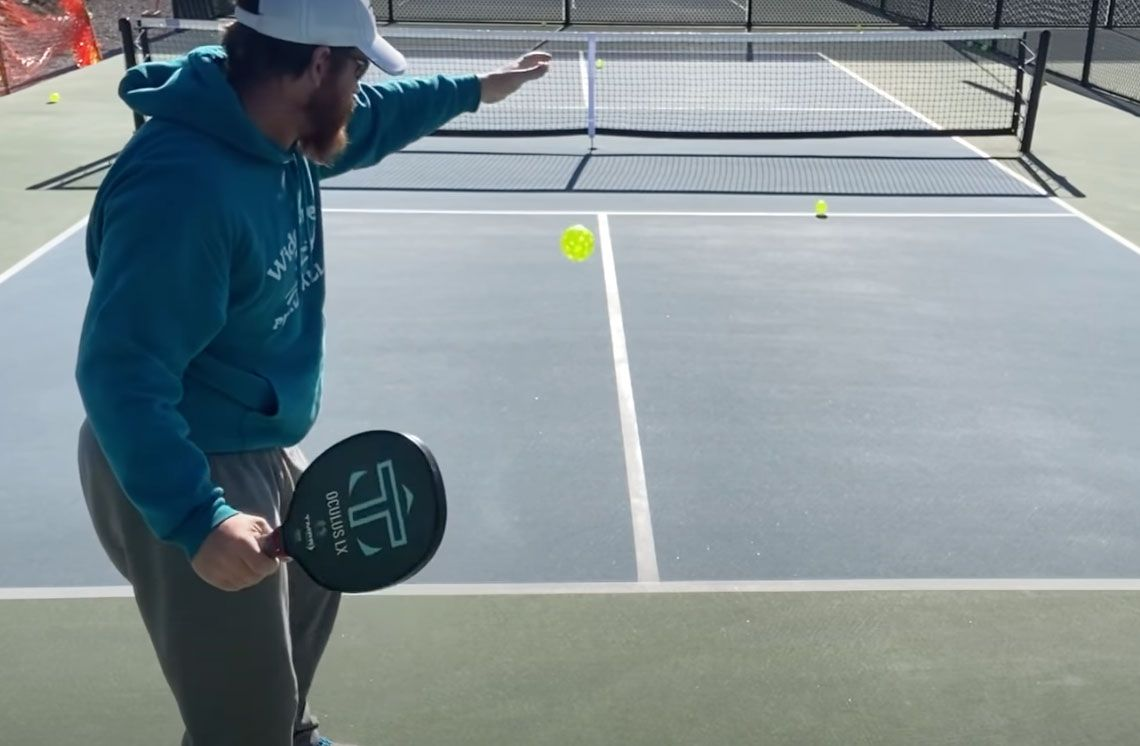
No gradual phase-out, no gray area. The UPA-A has banned the drop serve at the professional level outright:
"Professional competition requires use of the Volley Serve. The Drop Serve is not permitted."
But the serve changes go further than just eliminating the drop serve. The rulebook also tightens enforcement around the volley serve with a zero-tolerance standard for borderline mechanics. If a serve's legality (e.g. foot placement, ball release height, arm swing, point of contact, or paddle position) cannot be clearly confirmed with certainty by visual observation, it's illegal. A fault is called.
That's a dramatic shift from the current standard of calling only clear violations. Players with borderline serve mechanics will need to clean things up fast when competing under UPA-A jurisdiction.
2. Paddle Challenges Are Now a Formal Weapon
Paddle integrity has been a simmering controversy in professional pickleball for some time. The UPA-A has now fully codified paddle challenges, and the rules around them are both powerful and pointed.

Comments
No comments yet. Be the first to share your thoughts!