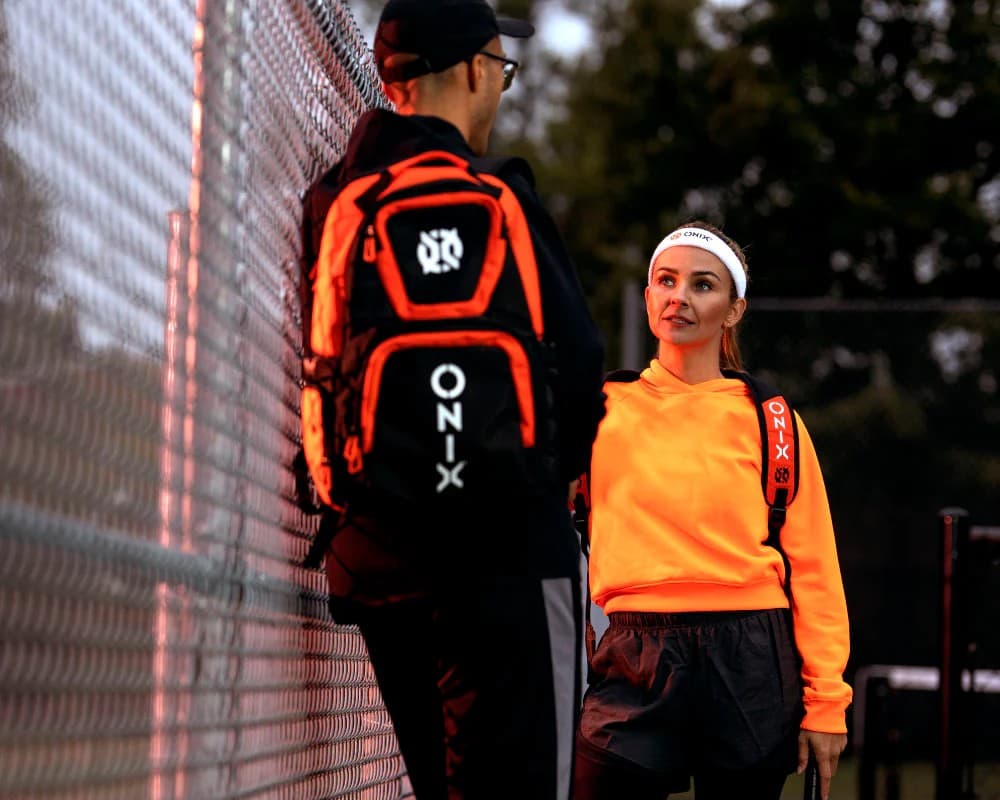
Picking a pickleball bag isn’t about logos—it’s about climate, commute, quality, and capacity. In Asia’s heat, humidity, and sudden rain, the right bag protects paddles from heat damage, quarantines sweaty shoes, and keeps water cold without soaking everything else.
This guide outlines what players usually carry and which features matter—thermal paddle sleeves (heat shield), ventilated shoe “garages,” insulated pockets, fence hooks, and laptop sleeves—and matches each need with a real bag example so you can buy by problem, not guesswork.
What you’ll actually carry
Plan for: one to two paddles, three to six balls, shoes (if you don’t wear them in), towel, change of shirt, water bottle, snacks/electrolytes, sunscreen, hat, grip tape/overgrips, and personal essentials (wallet, phone, keys).
Realities that shape your bag choice
- Heat & sun: Paddles can warp in hot cars or courtside heat; thermal-lined pockets help.
- Humidity & monsoon rain: Most pickleball backpacks are water-resistant, not waterproof—pack a rain cover or a dry-bag liner.
- Transit & travel: If you fly around the region for opens or holidays, aim for carry-on-friendly footprints. Many airlines cluster near 55 × 40 × 20 cm (≈21.7 × 15.7 × 7.9 in) or 45 linear inches—always check your carrier.
Features that matter
Thermal protection for paddles (hot-climate must)
Look for: thermal-lined paddle sleeves that shield against heat.
Great example: JOOLA Tour Elite Pro Bag (https://joola.com/products/tour-elite-pro-pickleball-duffle?variant=44994746843350) — thermal-lined paddle compartments, big integrated fence hook, converts from backpack to duffel. Ideal if your bag sits in the car between matches.
Separate, ventilated shoe space
Look for: a ventilated “shoe garage” to isolate sweat and dirt.
Great examples:
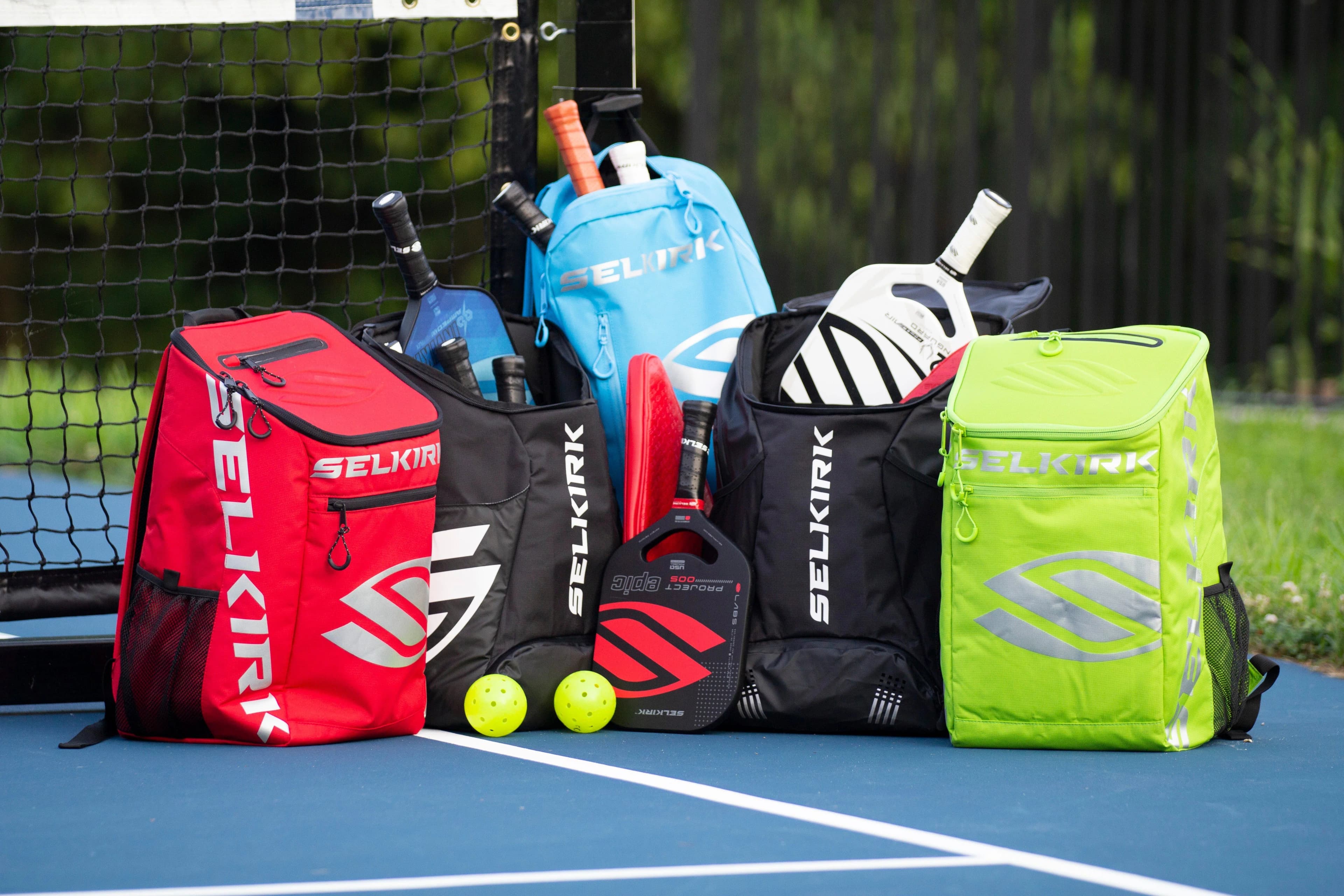
- Selkirk Pro Line Tour Bag — dedicated ventilated shoe compartment plus insulated food/drink pocket and fence clip.

Comments
No comments yet. Be the first to share your thoughts!