Ever wondered why your neighbors are heading to the courts with what looks like oversized ping-pong paddles? Welcome to the fantastic world of pickleball – the fastest-growing sport you need to know about!
How a Backyard Summer Experiment Sparked a Global Pickleball Craze
In the summer of 1965 on Bainbridge Island, Washington, three dads — Congressman Joel Pritchard, Bill Bell, and Barney McCallum — were simply trying to entertain their kids. With a badminton court, ping pong paddles, and a plastic ball, they improvised a game that was easy to play and endlessly fun. As they tweaked the rules — lowering the net and allowing bounce play — pickleball was born.
McCallum, known for his handyman skills, built better paddles and helped shape the official rules. Within two years, the first permanent court was built; five years later, a company was formed to grow the game. It quickly spread through the community and beyond.
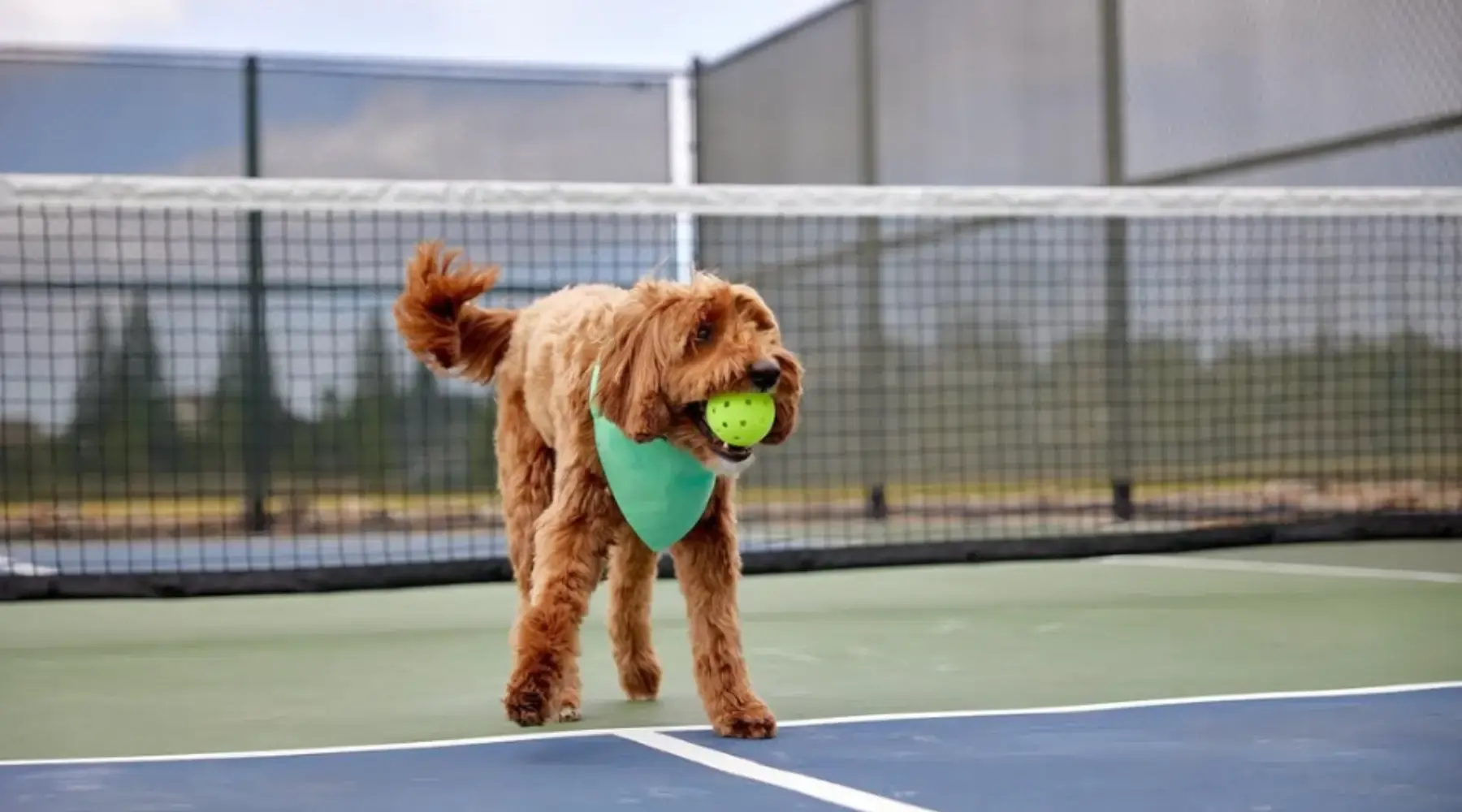
The name? Contrary to the popular myth, it wasn’t named after the family dog. Joan Pritchard coined “pickleball” because the game, made from bits of other sports, reminded her of a “pickle boat” in crew — a mix of leftover rowers. The dog Pickles came later and just loved chasing the ball.
What began as a backyard fix for boredom is now one of the fastest-growing sports in the world — and it all started with a little creativity and a lot of fun.
What is Pickleball and What Makes It Special?
Ever wondered why your neighbors are heading to the courts with what looks like oversized ping-pong paddles? Welcome to the fantastic world of pickleball in Asia (https://www.pickle.asia/) – the fastest-growing sport you need to know about!
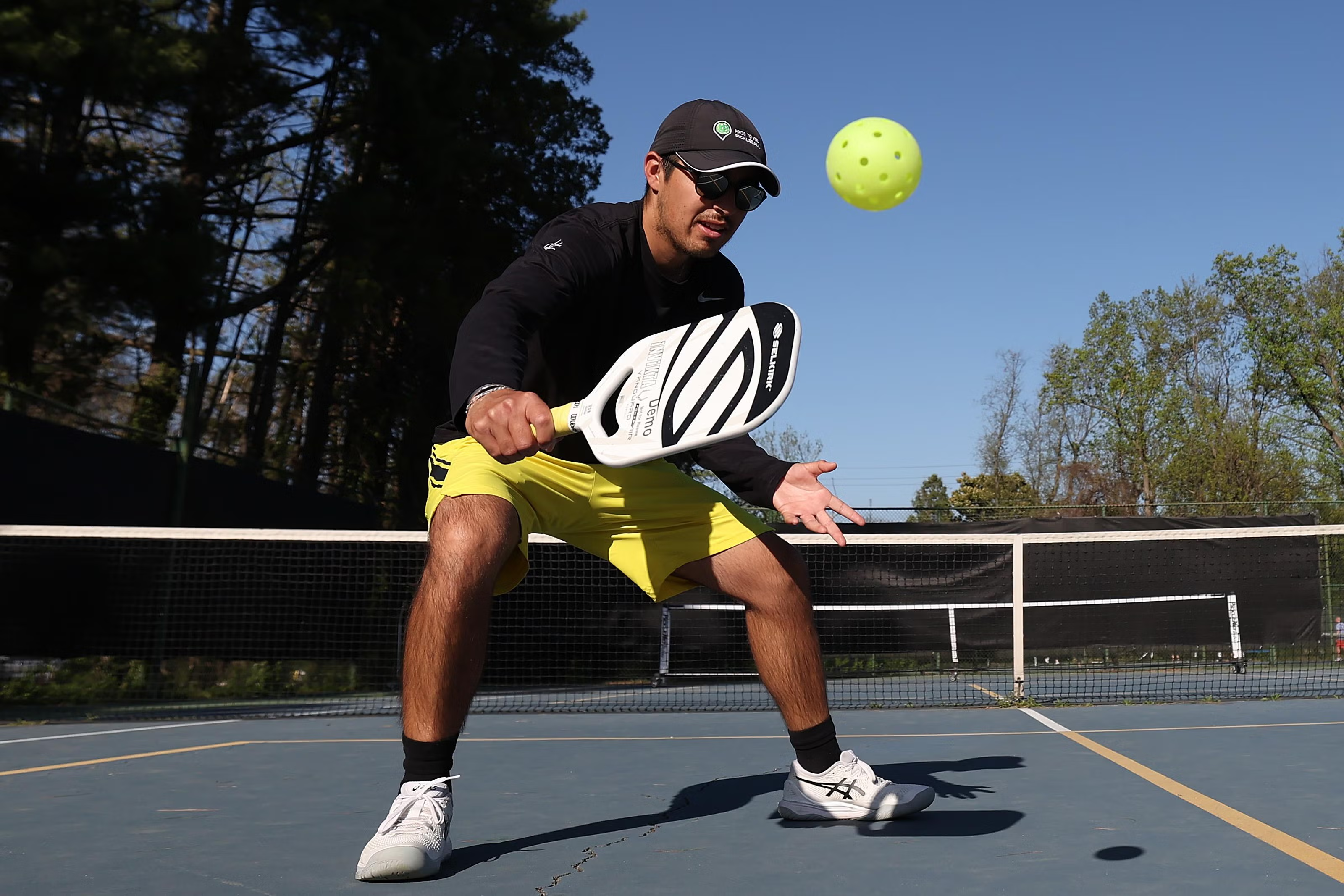
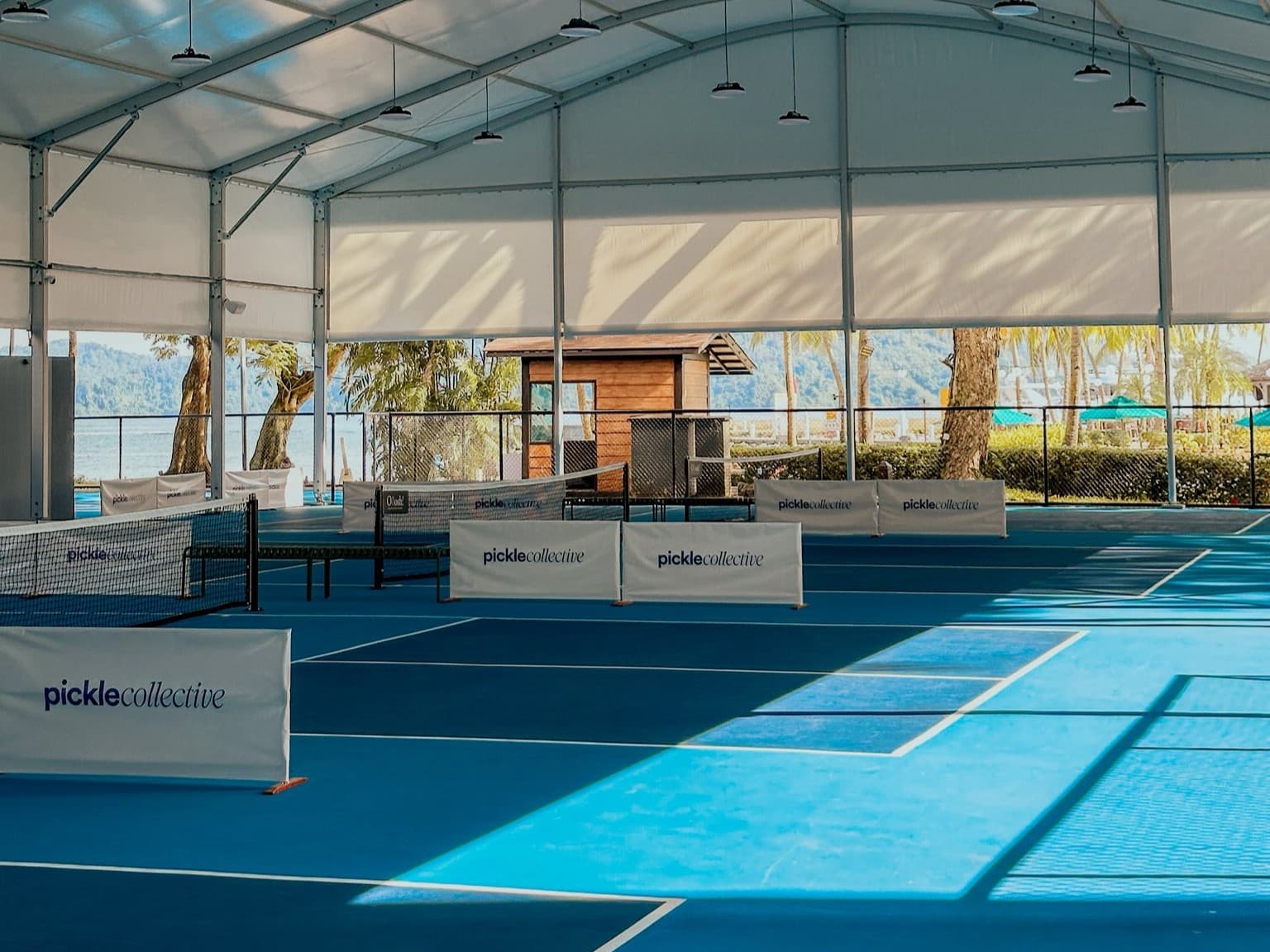
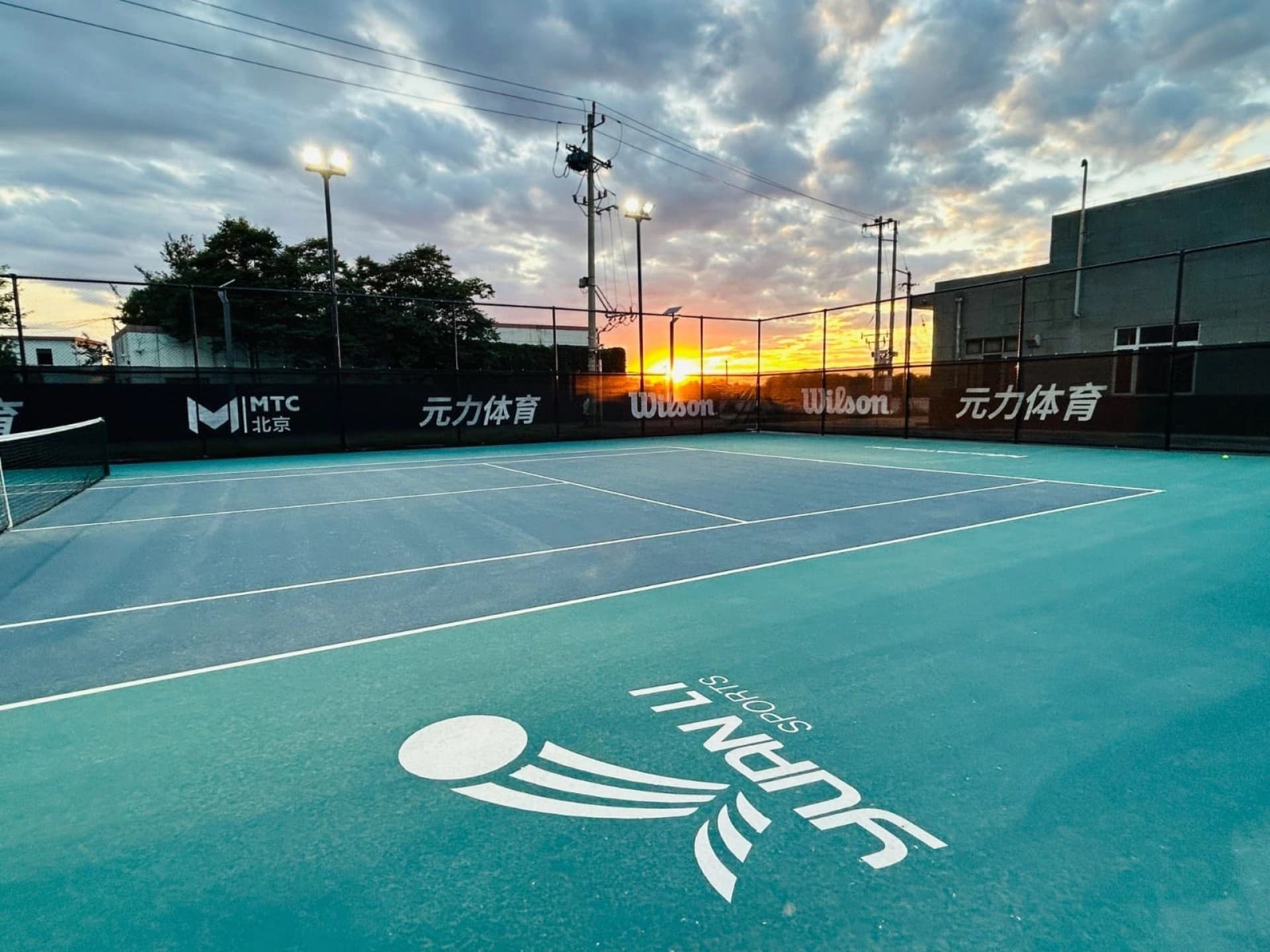
Think tennis meets ping-pong, with a dash of badminton thrown in for good measure. The game is played on a compact court (just 20 x 44 feet), making it perfect for players of all ages and fitness levels. The smaller court size means less running, but don't be fooled – the quick exchanges and strategic gameplay will keep you on your toes!
The Basics: Getting Started
Ready to join the fun? Here's what you need to know:
The court features a 7-foot non-volley zone on each side of the net (affectionately called "the kitchen" – yes, really!). This unique rule creates an exciting dynamic where players can't smash volleys right at the net, leading to strategic "dinking" battles that'll have you hooked.

Comments
No comments yet. Be the first to share your thoughts!