5 Tennis Habits You Must Break to Win at Pickleball
·7 min read
Having a tennis background is a genuine advantage on the court. Your hand-eye coordination, court awareness, and competitive instincts will take you further faster than a brand-new player with zero racket experience. But here's the catch: pickleball isn't tennis on a smaller court. It's a fundamentally different sport with different physics, different strategy, and different winning patterns.
The most frustrated tennis converts aren't the ones who lack skill. They're the ones who arrive on court absolutely convinced their game will translate (and discover), painfully, that several of their best tennis habits are actively costing them points.
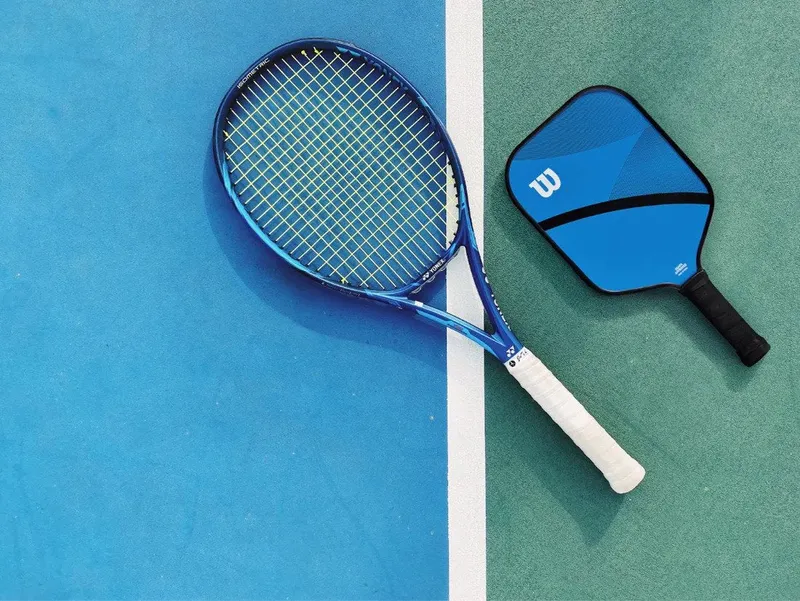
Here are the five you need to break first.
Habit 1: Swinging with Full Power on every Ball
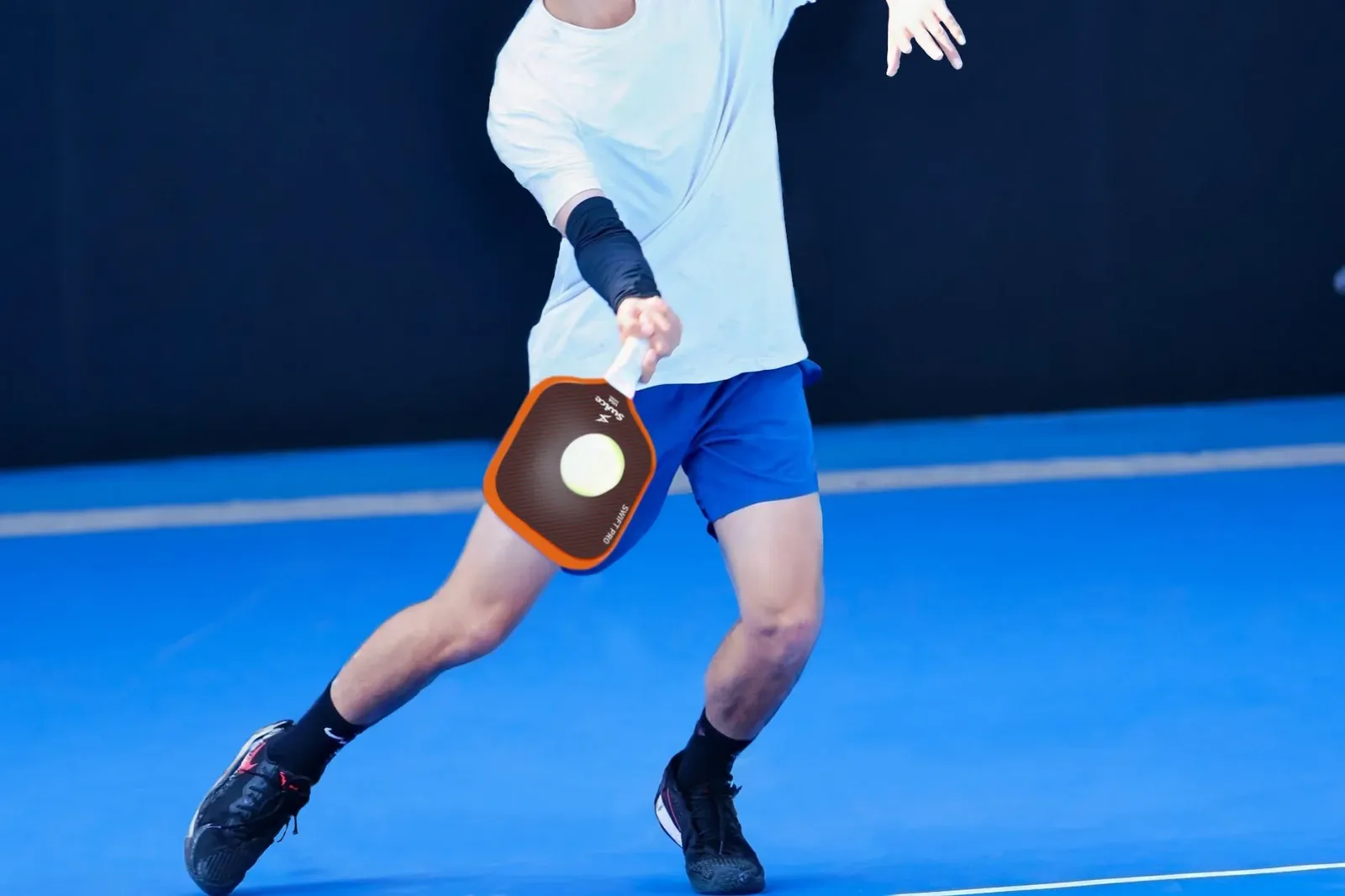
In tennis, hitting hard is almost always rewarded. The court is long, the ball is heavy, and power forces your opponent into difficult positions. So it's completely natural to arrive at a pickleball court and unleash that forehand straight into the back fence, two feet out of bounds.
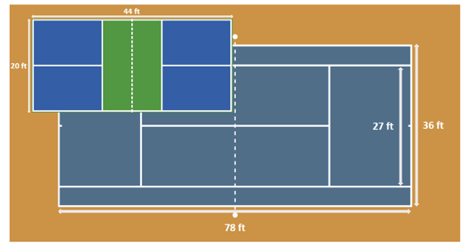
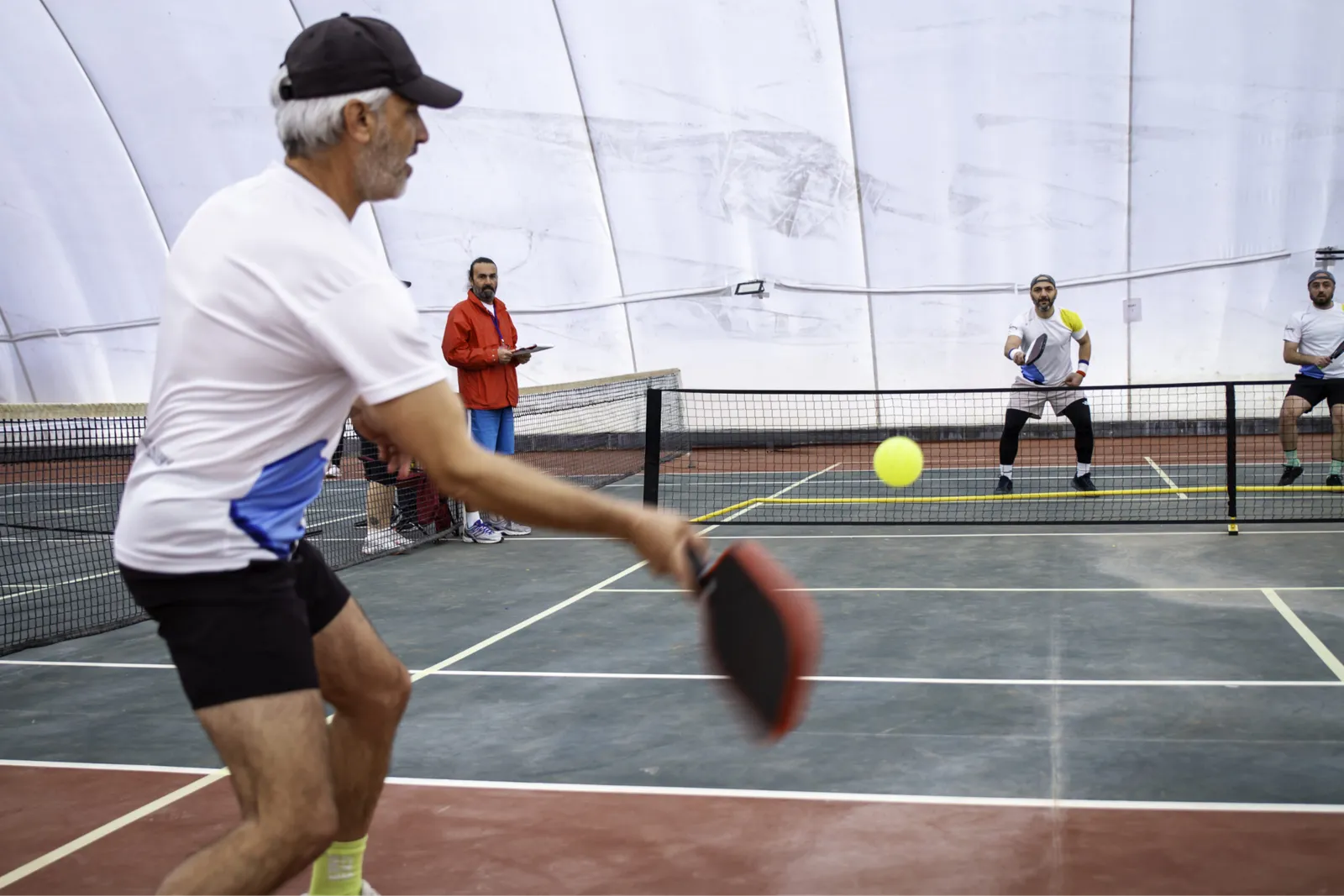
Pickleball courts are dramatically smaller than tennis courts. Up to four of them fit inside a single tennis court. That means the margin for error on a hard-hit ball shrinks to almost nothing. Blasting a winner in tennis becomes an unforced error in pickleball almost every single time.
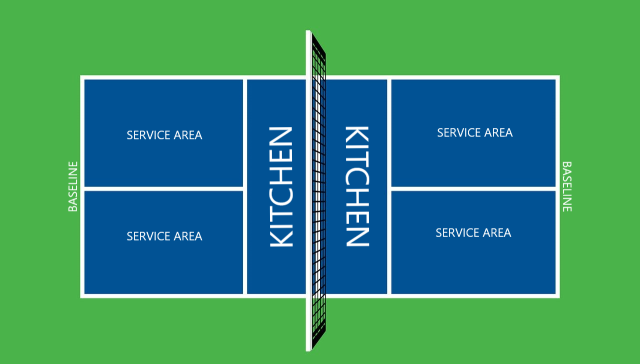
The mindset shift required is significant: placement beats power, almost always. Soft, well-placed shots that land in the kitchen (the no-volley zone) are far more dangerous than a flat drive. When you do speed the ball up, pros recommend swinging at around 60% power, not 100%. Enough to create pressure, not enough to lose control.
THE FIX: Adopt the rule: "From the baseline, rip it. Anywhere else, drop it." Reserve your power for specific, high-percentage moments and not as your default response to every ball.
Tennis technique is built around generating pace through a full kinetic chain: turn the shoulders, load the hips, big backswing, drive through contact. It works beautifully when your opponent is 78 feet away, and you have time to wind up.
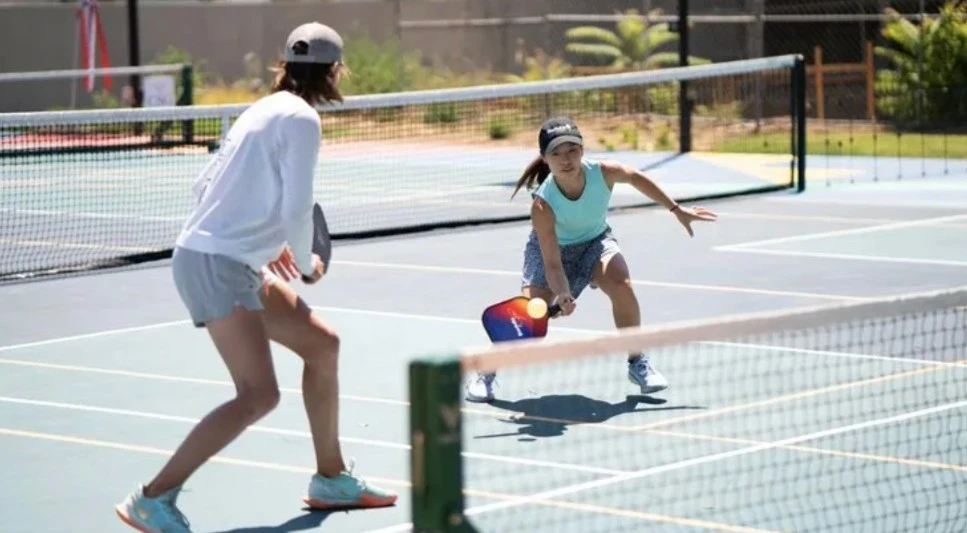
In pickleball, your opponent at the kitchen line is roughly 14 feet away from you. The ball comes back almost immediately. A big backswing not only generates more power than you need. It also telegraphs exactly what you're about to do, leaves you out of position for the return, and gives you zero time to adjust if the ball comes back faster than expected.
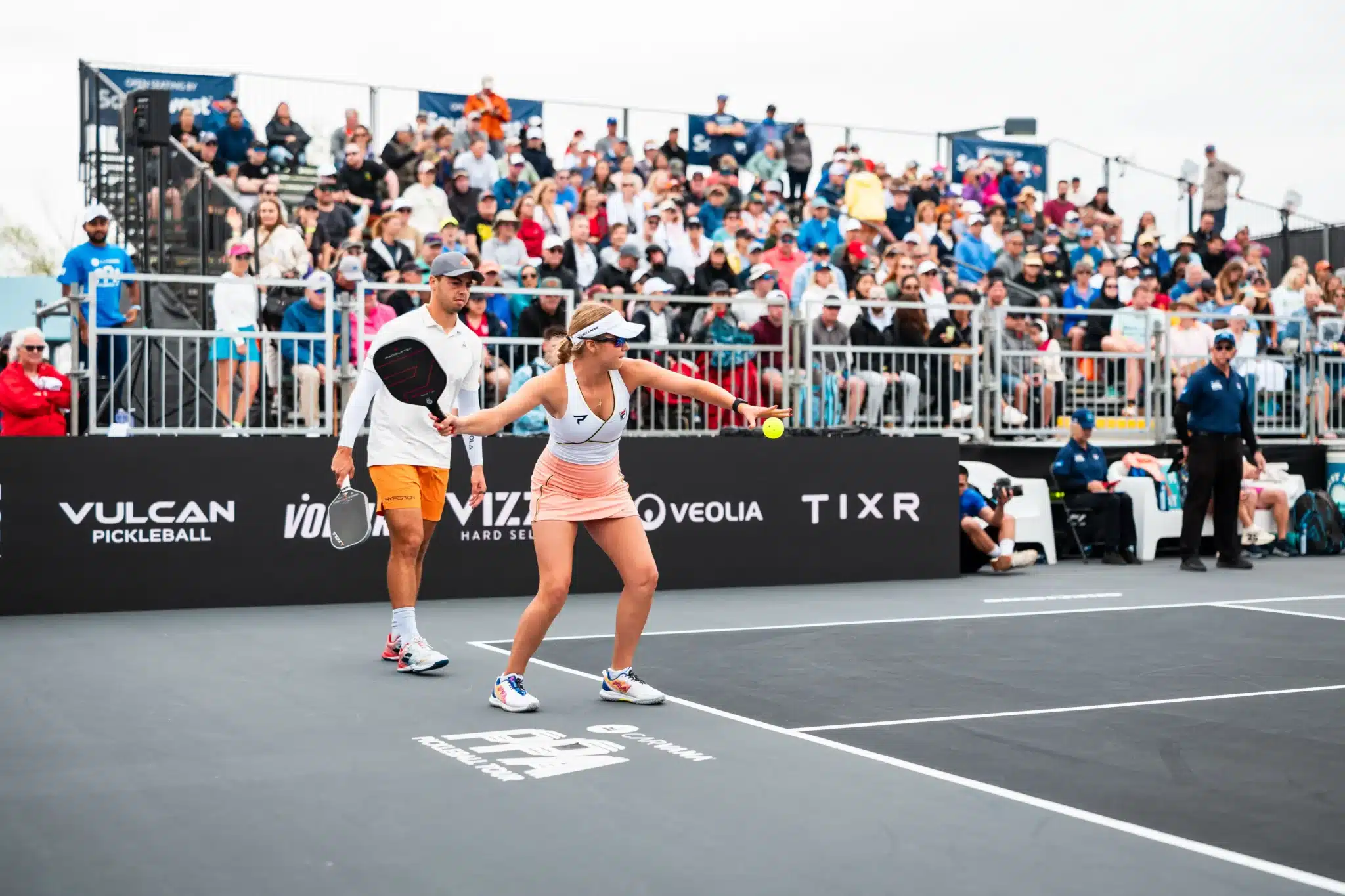
Top pickleball coaches teach a compact, controlled motion where the paddle stays close to the body. The goal is to keep the ball low and unpredictable, not to hit it hard. Paddle under the elbow, hand out front, no swing back, with everything happening in a tight, efficient motion.
"Big swings are a liability. The ball comes back quickly. If your paddle isn't up, you'll pay for it."
THE FIX: Practice keeping your paddle in front of you between shots. Think of your arm as a short lever, not a long one. The power comes from timing and contact, not from loading up.
Habit 3: Staying Back at the Baseline
Tennis players are conditioned to own the baseline. It's where you dictate rallies, run down passing shots, and set up approaches. Hanging back feels safe, controlled, and strategically sound. In pickleball, it's a trap.
The team that controls the kitchen line wins the vast majority of rallies in pickleball. When you stay back, you're playing defense against opponents who are positioned at the net, hitting down on the ball, and reducing your angles. You're essentially handing them the structural advantage of every exchange.
Getting to the kitchen quickly after a well-executed third shot drop is the fundamental positioning goal of pickleball. It feels counterintuitive to tennis players, who associate net play with high-risk volleying. But in pickleball, the kitchen is your home base, not an aggressive gamble.
THE FIX: After every serve return, your mission is to move forward. Hit a quality third shot drop that lands softly in your opponent's kitchen, then advance. The kitchen is where points are won.
Habit 4: Gripping with a Western Grip and Chasing Topspin
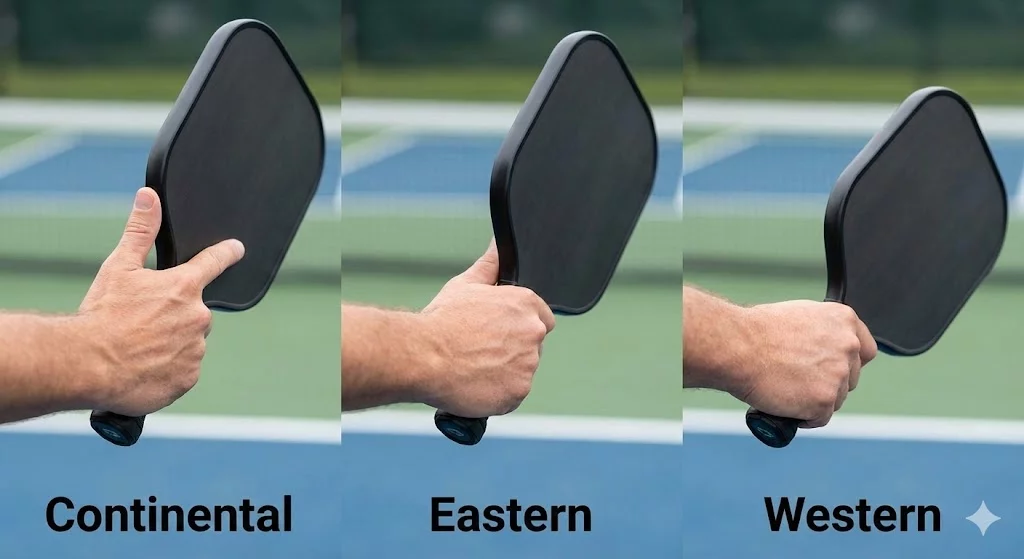
The Western grip is the workhorse of modern tennis. It closes the paddle face, loads the ball for heavy topspin, and lets you hit with confidence from the baseline. Tennis players often don't even realize how instinctively they've internalized it until they pick up a pickleball paddle.
Pickleball paddles don't have strings, which help with gripping and spinning the ball. The mechanism that makes topspin possible in tennis simply doesn't exist in pickleball in the same way. Attempting to generate heavy topspin with a Western grip in pickleball is one of the most reliable ways to roll the ball straight into the net.
The Continental grip (flatter, more neutral) is the foundational grip in pickleball because it gives you consistent control across the range of shots the game demands: dinks, resets, blocks, and drives. It keeps the ball over the net and in the court while you're still developing the touch that pickleball requires.
THE FIX: Consciously reset to a Continental grip every time you pick up the paddle. It'll feel foreign initially. Within a few sessions, the consistency gains will make the adjustment worth it.
Habit 5: Forcing Winners Instead of Resetting Under Pressure
In tennis, the default response to an uncomfortable situation is aggression — rip a cross-court winner, go for the line, take control of the point before your opponent does. Defensive grinding exists, but the instinct is to attack. That instinct, transplanted to pickleball, burns you repeatedly.
Pickleball at higher levels is built around patience. Points can run 20, 30, even 40 shots at the kitchen — disciplined dinking rallies where both sides wait for the right ball to attack. Forcing a winner when you're off-balance, stretched wide, or caught in the transition zone almost always results in a popup that your opponent puts away for an easy point.
The reset shot (a soft, controlled ball that drops into the opponent's kitchen and neutralizes a fast exchange) is the defensive weapon tennis players most need to learn. It has no equivalent in tennis. When you're under pressure, resetting the point is not passive. It's smart, tactical, and at higher levels of pickleball, it's what separates players who know the game from those who are still playing tennis on the wrong court.
THE FIX: When you feel the urge to hit hard under pressure, do the opposite: go soft. Block or drop the ball into the kitchen, get back into position, and wait for a better ball. Patience is an offensive weapon in pickleball.
Your Tennis Game is NOT a Liability
Your experience in tennis simply means you have more to unlearn than a complete beginner, and that's actually a manageable problem. The players who transition fastest are the ones who resist the urge to win with tennis skills and instead commit to building pickleball-specific habits from scratch: compact swings, soft hands, kitchen dominance, and patience. Master those five adjustments, and everything you already know from tennis starts working for you again.
Stay tuned for more helpful tips to improve your pickleball game. Follow us on Instagram @thepicklebaseto get the latest pickle-news!
Unlocking the Power of the Third Shot Drop in Pickleball

Comments
No comments yet. Be the first to share your thoughts!